How does technomagic use algorithms and technology to shape reality?
Postado em: 02/06/2026
Autor: Loki Nefrius
In technomagic, reality is processed as an information and consciousness system, where the physical universe acts analogously to a large “circuit board” whose fundamental substrate is data. From this perspective, the operator uses digital devices and algorithms to direct their true will, transforming common hardware into tools for altering perception and biographical experience.
The practical application of this system occurs through three main fronts:
-
Intention Coding: The use of rituals and symbols is processed analogously to the execution of lines of code, where each rite functions as a script intended to produce a specific output in the fabric of experience. Tools such as the LIGIS engine use cryptographic algorithms (such as SHA-256) to convert phrases of desire into sacred geometry, creating a unique “fingerprint” of the will that bypasses the critical judgment of the rational mind.
-
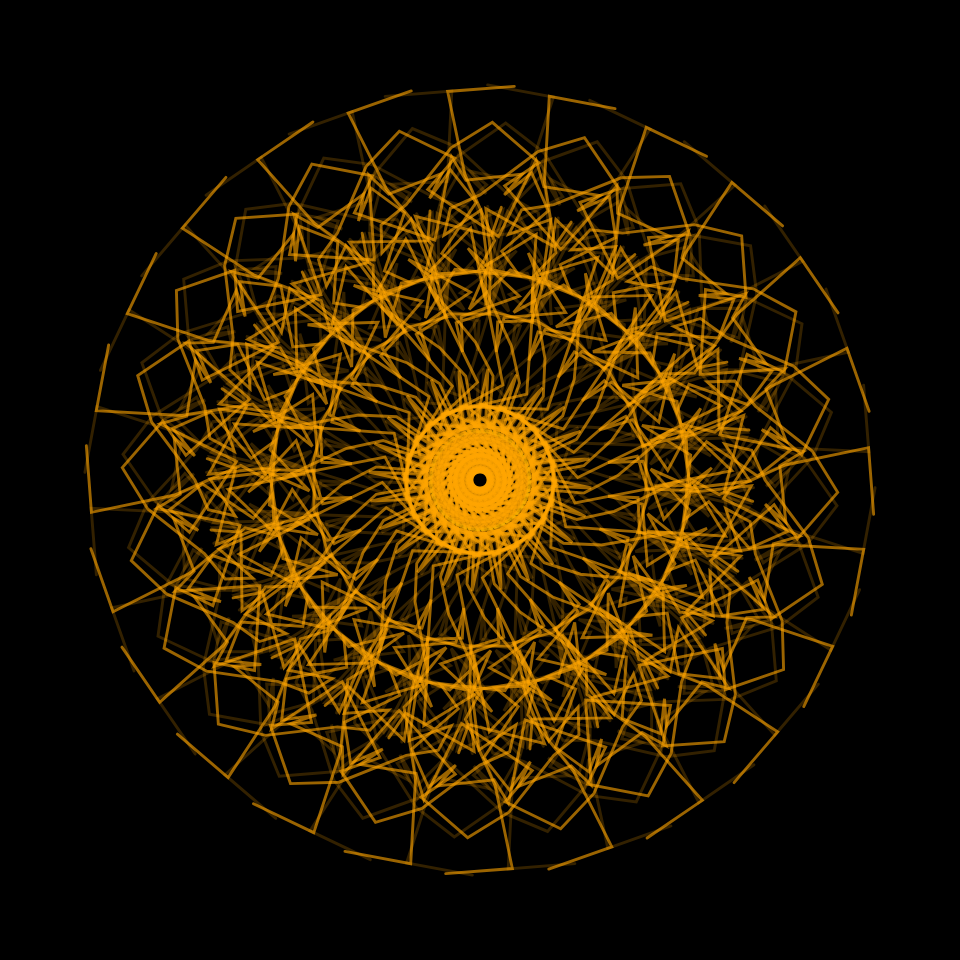
Interaction Interfaces (GUI): Digital mandalas and sigils operate as the Graphical User Interface (GUI) of technomagic. Far from being mere ornaments, they organize the flow of data and runic frequencies into symmetrical patterns to maximize the efficiency of a command, facilitating the injection of intention directly into the subconscious. The Apeiron application, for example, acts as a background runner, automating the display of these symbols to keep the frequency of purpose active without conscious effort.
Entity Architecture (APIs and Microservices): The creation of astral servers or cryptophantoms is comparable to a Microservices Architecture, where each entity acts as an API specialized in a function (such as finance, technology, or protection). This allows the operator to distribute complex tasks to autonomous agents that run in the “background” on the subconscious server.
This reconfiguration of ingrained beliefs and habits is treated as an upgrade of an FPGA (Field-Programmable Gate Array) system, where the code of will alters the very structure where thoughts and reactions are processed, shaping matter through programmed perception. In Ancrolyn, the validation of this system is purely practical: if the applied geometry collapses the desired experience, the model is functional for the nervous system that operates it.